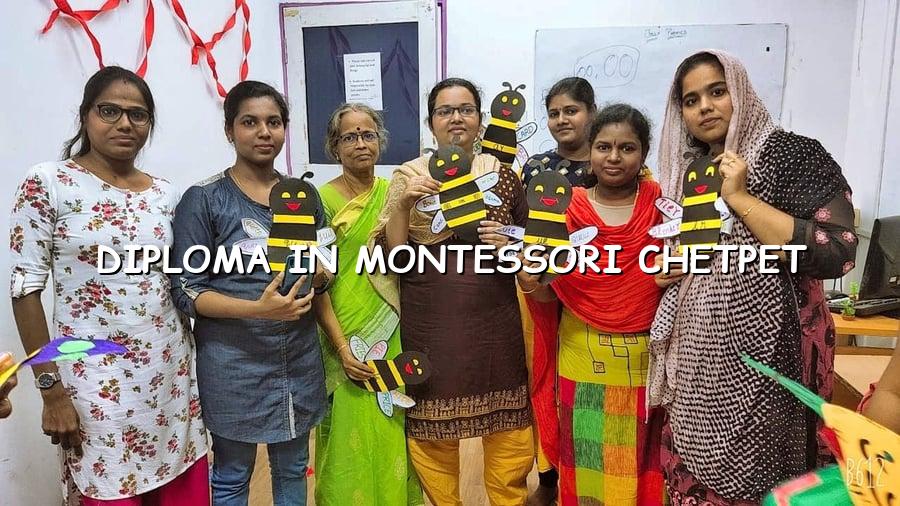
Diploma in Montessori Chetpet is the right starting point if you want practical teacher training that prepares you for real classrooms in Chennai. At Super Star Montessori, the focus goes beyond theory and gives you a clear path to teach with confidence, understand Montessori materials and support young children with care.
This page is for aspiring teachers, career changers and parents who want to know what the diploma covers, how long it usually takes and what kind of classroom practice matters most. You will also see how Montessori training connects with nearby Chennai neighbourhoods, along with the diploma structure, step-by-step admission flow and support available through our courses and internship training program.
A strong Montessori diploma gives you more than a certificate. It helps you understand how children learn through movement, repetition, order and self-correction, which is essential in practical life, sensorial work, language development, mathematics and cultural activities. For students in and around Chetpet, that means training that is relevant to Chennai classrooms and the expectations of modern preschools and Montessori houses.
Super Star Montessori has been shaping educators since 2005, and the training style reflects that experience. The diploma is designed to build confidence step by step, with hands-on material work, classroom observation and guided practice that help you move from learner to teacher in a structured way.
The diploma usually spans about 10–12 months, depending on the batch format and learning mode. During that time, you study child development basics, Montessori philosophy, presentation of materials, lesson planning, classroom management and the way a prepared environment supports independence. The goal is not memorising notes; it is learning how to guide a child with calm, precise and respectful teaching.
Many learners first think Montessori teaching is only about beautiful materials, but the real skill lies in how those materials are introduced and used. A good training program shows you how to present the work, observe the child, correct mistakes gently and keep the classroom active without chaos. That is why internship exposure and workshop-style sessions matter so much for anyone searching for diploma in montessori Chetpet.
| Program Aspect | What It Includes | Why It Helps |
|---|---|---|
| Diploma duration | Usually around 10–12 months | Gives enough time for theory, practice and revision |
| Core modules | Philosophy, child development and Montessori materials | Builds a strong foundation for classroom teaching |
| Practical exposure | Material work, observation and supervised presentation | Helps you teach with confidence in live settings |
| Learning modes | Weekday, weekend, fully online and hybrid batches | Makes training accessible for different schedules |
This training suits fresh graduates, homemakers returning to work, preschool assistants and teachers who want a stronger foundation in early childhood education. It is also useful for people who already work with children but want a more organised and authentic method rather than random classroom routines. If you live in Chetpet or nearby areas such as Anna Nagar, T Nagar, Kilpauk or Purasaiwakkam, a Chennai-based diploma gives you convenient access to regular practice and support.
A common mistake is choosing a course only because it sounds short or easy. Montessori teaching needs careful attention to sequence, child observation and material handling, so the better question is whether the training includes real practice, internship exposure and guidance after class. That is where a serious institute stands apart from a purely certificate-oriented course.
In a well-run Montessori classroom, the child moves independently, chooses work with purpose and repeats activities without unnecessary interruption. Your training should help you understand how shelves are arranged, how materials are introduced and how the teacher steps back while still guiding the child. When that happens, the classroom becomes calmer, more focused and more meaningful.
Students from Chetpet often prefer learning in Chennai because it keeps travel manageable and makes internships easier to attend. It also allows closer connection with local preschool requirements and classroom culture, which can be useful when you begin job interviews or practical training in the city. Local training can save time, but it should never reduce the quality of practice or mentorship.
By the end of the diploma, you should be able to explain Montessori philosophy in simple language, present key materials correctly and plan lessons that suit the child’s stage of development. You should also feel comfortable observing children, noting progress and handling common classroom situations with patience and professionalism. Those skills matter more than just remembering definitions for an exam.
The institute’s broader support is important too. Many learners want help with career direction, and that is where placement assistance, interview preparation and alumni guidance become valuable. Whether you later work in a preschool, kindergarten or Montessori house, the real outcome is readiness.
Super Star Montessori offers structured diploma training, NTT, KTT, online Montessori learning, internship exposure and practical workshops so you can choose the path that fits your schedule and career goal. If you are comparing diploma options near Chetpet, our Chennai campus can help you understand the syllabus, practice requirements and batch choices in a clear, friendly way. You can also explore our courses or the online program if you need flexible study support. Speak with our counselling team to find the right start for your teaching journey.
Call +91 90924 63091 or +91 86680 47390, email info@superstarmontessori.com, or chat on WhatsApp.
The diploma usually covers Montessori philosophy, child development, classroom preparation and detailed work with Montessori materials. At Super Star Montessori, practical demonstrations and guided practice are part of the learning approach, so you understand both the method and the classroom routine. This helps you move from theory to confident teaching.
The diploma is generally designed as a 10–12 month program, depending on the batch and learning mode. That time allows for theory, material work, observation and revision. It is long enough to build real skill without rushing the learning process.
Yes, many learners look for weekday, weekend or online options when balancing work and study. Flexible batch formats make it easier to continue training without changing your entire routine. You can speak to the counselling team to understand which mode fits your schedule best.
Yes, practical exposure is an important part of serious Montessori training. Observation and internship-style learning help you see how a prepared classroom functions, how children respond to materials and how teachers guide without over-directing. That experience is valuable when you start working in a preschool setting.
Many graduates look for teaching roles in preschools, kindergartens and Montessori houses, along with classroom assistant positions and other early childhood education roles. Career support matters because interviews and classroom expectations can vary from one institution to another. With the right mentoring, you can approach these opportunities with more confidence.
Yes, many learners use the diploma as a foundation before moving into NTT or KTT. The Montessori approach strengthens your understanding of child-led learning, material presentation and classroom organisation, which is useful in wider early childhood training too. It can be a practical first step before specialising further.
Choosing diploma in montessori Chetpet should feel like a practical step toward a meaningful teaching career, not just a certificate to add to your file. With the right guidance, hands-on learning and follow-up support, you can build the confidence to teach children with patience, structure and care.
Super Star Montessori continues to support learners from Chennai with authentic training, internship exposure and a pathway into early childhood education that stays useful long after the course ends.