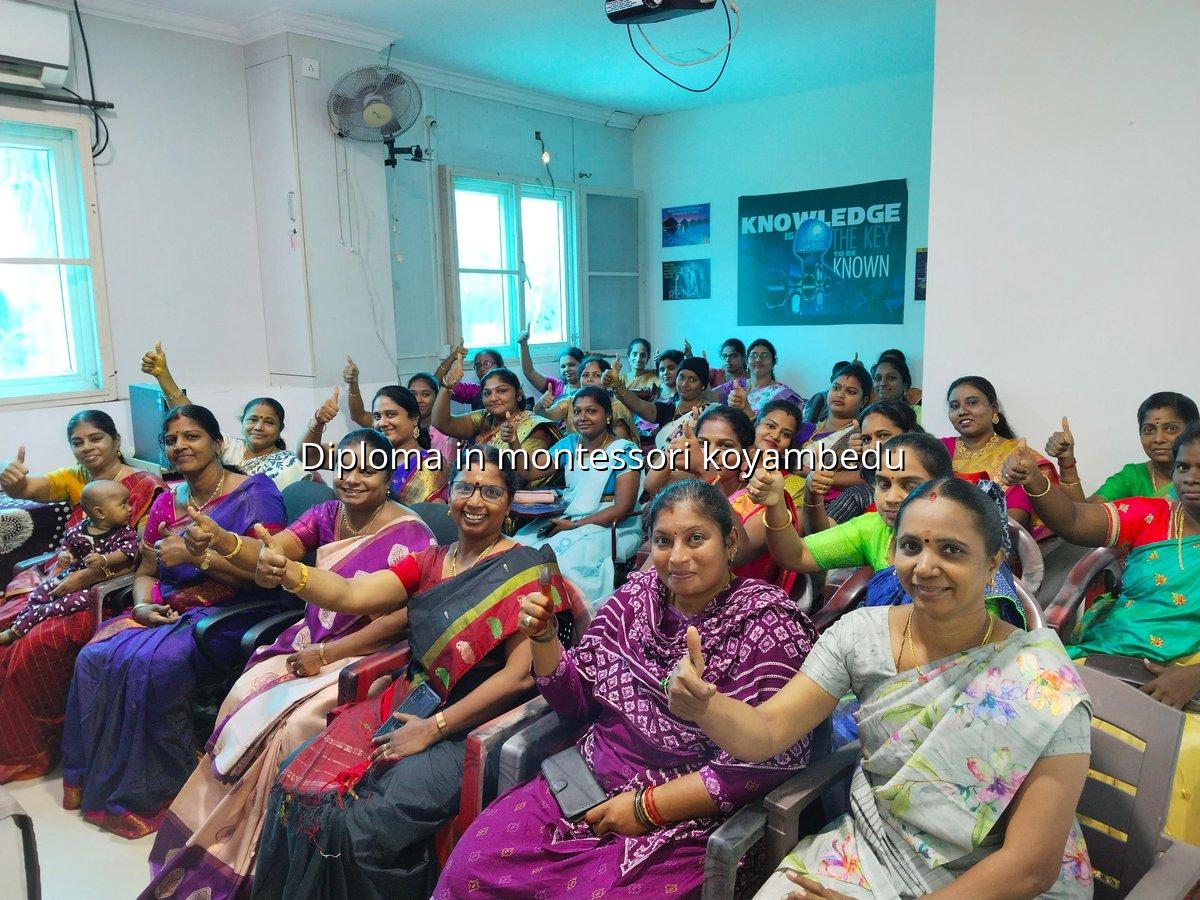
Diploma in Montessori Koyambedu is the right starting point when you want practical teacher training close to the city’s main travel routes and school clusters. This page shows what the diploma covers, how the training works, and how to choose a course that prepares you for real classroom responsibility.
If you are comparing Montessori programs from Koyambedu, CMBT, Anna Nagar, Mogappair, or nearby Chennai neighbourhoods, you will also want to know how much hands-on practice, observation, and mentoring is built into the course. Here, you will find a clear look at diploma structure, learning modes, internship support, and the skills that matter in a Montessori classroom.
A strong diploma is not just a set of lectures. It should help you understand the Montessori philosophy, prepare lesson presentations, work with materials, and guide children with confidence in practical life, sensorial, language, mathematics, and cultural areas. In Chennai, many learners also look for weekday, weekend, online, or hybrid learning, because teaching careers often begin while managing family or work schedules.
Montessori teaching becomes meaningful when you can demonstrate a material, observe a child’s response, and adjust your approach without interrupting independence. In a good diploma, you should get repeated practice with classroom routines, lesson sequencing, and teacher language, so the method feels natural rather than memorised. That is especially useful for students coming from Koyambedu and surrounding areas who want a course that feels job-ready, not just certificate-based.
Many first-time applicants focus only on the course name, but the real value lies in the curriculum design and mentoring. Look for authentic Montessori materials, internship exposure, trainer support, and a structure that explains how to manage mixed-age classrooms and child observation. If you are comparing options, it also helps to review our courses and see how the diploma connects with Nursery Teacher Training, Kindergarten Teacher Training, and practical workshops.
| Training Path | Typical Focus | Best For |
|---|---|---|
| Diploma in Montessori | Authentic pedagogy, materials, and classroom readiness | Beginners who want a strong Montessori foundation |
| NTT | Nursery-level teaching methods and child engagement | Learners aiming for preschool and nursery roles |
| KTT | Kindergarten routines, early literacy, and activity planning | Those who want classroom practice with young learners |
| Online Montessori Course | Live classes, recorded modules, and material support | Students who need flexible learning from Chennai or nearby areas |
Students often think they need a course that simply explains the method. In practice, the difference shows when the diploma includes real material handling and guided repetition, because Montessori teaching depends on accuracy, calm presentation, and careful sequencing. A learner who practises these routines during training is better prepared to work with children in preschools across Chennai, including areas such as Koyambedu, Anna Nagar, and Ambattur.
Good training also makes room for observation. That means learning to watch a child’s interest, attention span, and readiness before deciding what to present next. Instead of pushing every child through the same pace, you learn how to support independence, concentration, and confidence in a way that matches authentic Montessori practice.
One common mistake is choosing a course only because it is nearby or has a familiar-sounding title. A better approach is to ask how the institute teaches lesson planning, material-making, and classroom observation, and whether the diploma includes support beyond the final session. Training that blends philosophy with practical work tends to help learners move from theory into teaching more smoothly.
Koyambedu connects easily to many parts of Chennai, so learners from nearby neighbourhoods often prefer a center that is convenient to reach for consistent attendance. That matters because Montessori training is built on regular practice rather than last-minute preparation. When the commute is manageable, students are more likely to engage fully with demonstrations, peer practice, and feedback sessions.
After training, most learners want practical help with next steps: classroom interviews, profile preparation, and deciding whether to begin in a preschool or continue with further study. Super Star Montessori focuses on meaningful career outcomes through mentoring, placement assistance, and guidance that helps graduates present themselves professionally. For many students, this support is just as valuable as the course content because it bridges training and actual teaching opportunities.
If you want to see how the diploma fits with internships or observation-based practice, you can also review the internship training program and the practical workshops. Those options are especially useful if you prefer more hands-on exposure before stepping into a classroom role.
Not every learner in Chennai has the same schedule. Some need weekend classes, some need a fully online option, and others prefer a hybrid batch that balances live guidance with self-paced review. A course near Koyambedu should ideally make it easier to stay consistent, because consistency helps you absorb Montessori principles instead of rushing through them.
When comparing formats, ask how the institute supports material study, doubt clearing, and practice assessment. If recorded modules, live sessions, and a material kit are available, those features can make it easier to revisit lessons and practise presentations at home. That kind of structure is especially helpful for first-time learners who want confidence before entering a preschool environment.
Super Star Montessori offers a structured path for learners who want a diploma in Montessori Koyambedu with real practical value, not just classroom theory. Through our flagship Montessori training, Nursery Teacher Training, Kindergarten Teacher Training, online learning, and internship support, we help you build teaching confidence from the start. If you want to compare options or understand which batch suits your routine, our courses and online program are good places to begin.
Call +91 90924 63091 or +91 86680 47390, email info@superstarmontessori.com, or chat on WhatsApp.
Yes, a well-structured diploma is suitable for beginners because it starts with Montessori philosophy, child development basics, and practical classroom routines. The key is to choose a program that includes real material work, observation, and guided practice so you do not rely on theory alone.
Diploma programs often run for several months, depending on the training structure and batch format. Some students prefer a more flexible schedule because it lets them balance study with work or home responsibilities, especially when travelling from Koyambedu or nearby localities.
You typically learn practical life exercises, sensorial work, language, mathematics, and cultural activities, along with lesson presentation and classroom observation. A strong course also trains you in preparation of materials, child-centred guidance, and classroom organization.
Yes, many learners prefer weekend, evening, online, or hybrid batches because they fit better around full-time work. If you are balancing a job, ask the institute how classes, practice sessions, and assessments are scheduled before you enrol.
Some institutes do include internship or observation opportunities, which can be very useful for confidence building. At Super Star Montessori, learners can explore internship support through partner Montessori houses, helping them connect training with real classroom exposure.
For learners who want a serious start in early childhood education, the right diploma should build both confidence and classroom skill. Super Star Montessori combines authentic Montessori training with practical support so you can move ahead with clarity, whether your next step is teaching, internship exposure, or further study.