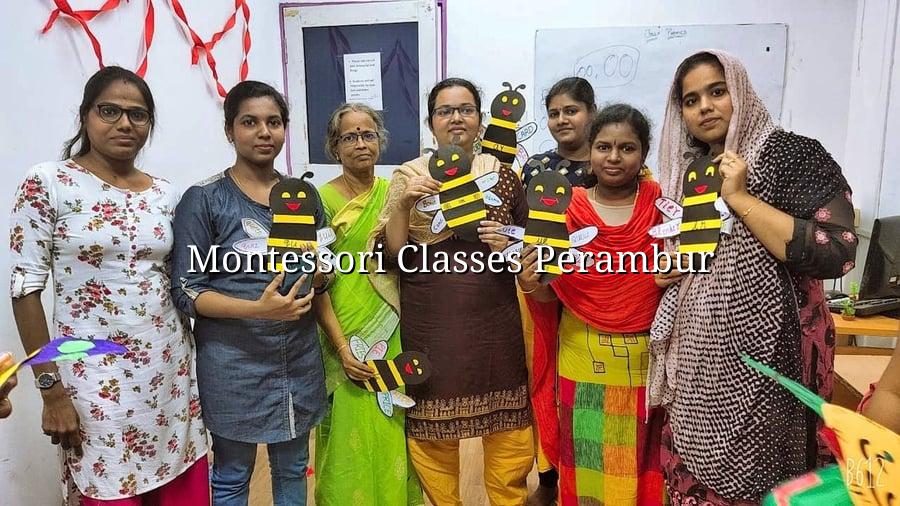
Montessori classes Perambur families search for usually need two things at once: authentic classroom learning and a practical path to a teaching career. That is exactly why this page focuses on what strong Montessori classes should include, how they differ from generic preschool coaching, and what to look for if you live in Perambur or nearby Chennai neighbourhoods.
If you are comparing options for a child’s early years or planning a teacher-training path, the details matter more than flashy promises. Here you will find a clear guide to Montessori approach, classroom readiness, and the training support that helps learners move from theory to confident practice in real Chennai classrooms.
For most parents and aspiring educators, Montessori classes are not just about worksheets or a neat classroom. The real value lies in carefully prepared materials, a child-centred rhythm, and a teacher who knows when to guide and when to step back. In a Perambur context, that also means choosing a centre or training path that understands Chennai family routines, weekday schedules, and the need for practical learning, not just theory.
Authentic Montessori learning introduces practical life, sensorial work, language, mathematics, and cultural activities in a sequence that respects the child’s readiness. A good class uses real material work, not only oral instruction, so children build concentration, independence, and coordination through repetition. For teacher learners, this same structure becomes the foundation for classroom observation, presentation technique, and lesson planning.
Families in Perambur often compare nearby options based on convenience, but it helps to look deeper. A strong centre should show how the environment is arranged, how materials are introduced, and how progress is observed without pressure. If you are training to teach, you should also look for internship exposure, practice sessions, and mentor feedback that reflect real preschool conditions in Chennai.
| Program | Best For | Typical Learning Focus |
|---|---|---|
| Diploma in Montessori Teacher Training | Fresh graduates and aspiring preschool teachers | Authentic pedagogy, material work, classroom practice, and career preparation |
| Nursery Teacher Training | Those aiming for preschool and nursery classrooms | Child development, storytelling, activity planning, and early learning methods |
| Kindergarten Teacher Training | Teachers working with LKG and UKG age groups | Language development, numeracy readiness, classroom management, and lesson delivery |
| Online Montessori Course | Learners needing flexible study from Chennai or nearby areas | Live classes, recorded modules, guided practice, and material support |
| Internship Training Program | Students who want real classroom exposure | Observation, assistant teaching, and supervised school experience |
People searching for Montessori classes Perambur are often trying to solve a practical problem: they want something nearby, credible, and useful enough to justify the time they invest. That usually means a class or institute should explain how lessons are structured, how children learn through hands-on work, and how teacher learners are supported from first observation to classroom confidence. In Chennai, the best choice is the one that blends child-centred practice with a sensible schedule and real teaching experience.
For aspiring teachers, a class should not stop at content delivery. It should show how to present materials, how to notice a child’s readiness, and how to build a calm classroom environment that works in everyday preschool settings. That is why practical workshops, internship exposure, and mentoring matter as much as the syllabus.
A strong Montessori training routine usually moves from understanding the philosophy to practicing the method in a structured way. Learners study practical life, sensorial, language, mathematics, and cultural areas, then see how those lessons are presented in the classroom. This matters because theory alone does not prepare someone to handle a three-year-old who is just learning concentration or a kindergarten child who needs guided independence.
In the Chennai setting, training also has to be flexible. Some students prefer weekday batches, while others need weekend or fully online support because of work, home responsibilities, or travel from neighbourhoods like Perambur, Kolathur, Anna Nagar, or T Nagar. A good institute respects that reality without compromising on classroom standards.
One common mistake is choosing a centre only because it is nearby. Distance matters, but so does the quality of practice, the depth of mentoring, and the relevance of the training to actual classroom work. A better approach is to ask for details on material demonstrations, observation time, and whether the institute offers internship support with partner preschools.
You should also ask how progress is assessed. Montessori learning is not about copying the same activity for every child; it is about tracking readiness, concentration, and mastery over time. For teacher trainees, that means feedback should cover presentation style, child interaction, and classroom organisation, not just attendance.
They can be, if the program includes real Montessori material work, classroom observation, and supervised practice. For teacher training, the location is only one part of the decision; the method, mentoring, and internship exposure matter much more. A Chennai-based institute with flexible batches can work well for learners from Perambur.
Look for authentic Montessori materials, clear curriculum progression, calm classroom design, and experienced trainers. If you are joining as a teacher trainee, ask whether the institute provides demonstrations, practice sessions, and support for classroom readiness. These details tell you more than a brochure headline.
Duration depends on the program you choose. A diploma route generally runs longer than short practical workshops, while online or hybrid options may give more flexibility in how you complete modules. The right choice depends on your schedule, background, and whether you want a deeper career-focused path.
Yes, many learners prefer weekend, online, or hybrid learning because of work and family commitments. A flexible model can still include live instruction, recorded lessons, and guided practice if the institute is structured well. For Chennai learners, that flexibility can make training much more manageable.
Some institutes offer internship support through partner preschools and Montessori houses, which helps you observe and practice in a real environment. That experience is valuable because it turns classroom concepts into habits you can use on the job. Always ask how the internship is arranged and what kind of supervision is included.