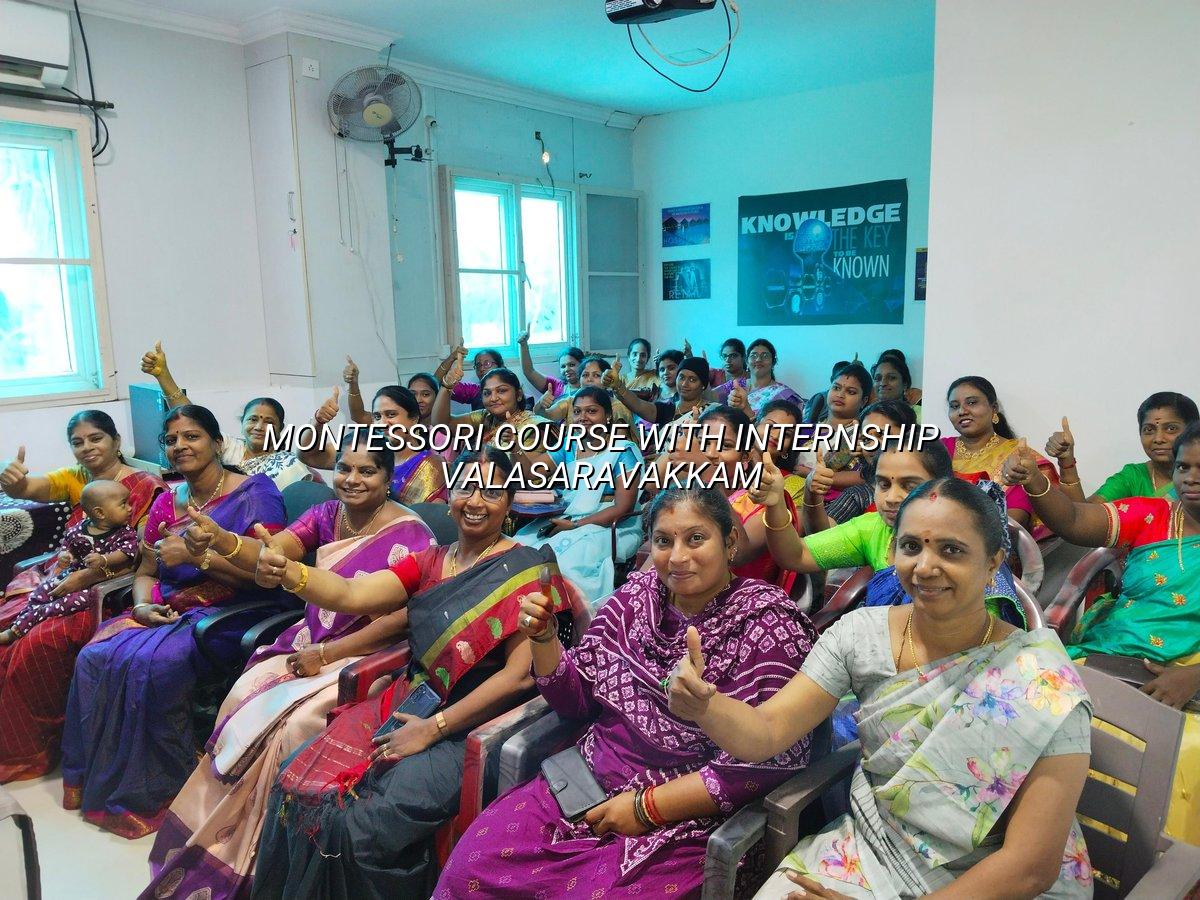
Montessori course with internship Valasaravakkam is the search many aspiring teachers make when they want more than theory and a certificate. They want a course that builds confidence in the classroom, gives real observation time, and prepares them to work with children in a practical, respectful way.
This page explains how internship-based Montessori training works, what a learner can expect from classroom practice, and how to choose a program that fits a Chennai schedule. If you are comparing Montessori teacher training, internship support, and flexible learning modes, you will find a clear path here.
A strong internship-linked course should balance Montessori philosophy, material practice and guided exposure to real classrooms. For learners in Valasaravakkam and nearby Chennai neighbourhoods, that means you should be able to move from theory to demonstration, then into supervised observation and assisted teaching without feeling lost. The course should also help you understand how children learn through practical life, sensorial, language, mathematics and cultural activities.
At Super Star Montessori, the focus is not only on learning lesson names. Learners practice how to present materials, observe a child’s response, maintain order in the environment and speak with confidence to parents and school teams. That combination is what makes internship training valuable for fresh learners, working adults and anyone planning a teaching career in Chennai.
Many candidates understand Montessori principles after class, but only a live internship shows how children behave in a real room. For example, the way a child repeats a sensorial exercise, chooses a practical life tray or asks for language work can be very different from what a textbook describes. Internship exposure helps learners notice these patterns early, so they can adjust their teaching style and classroom presence.
During internship practice, learners typically watch experienced teachers, assist with material arrangement, and take small teaching segments under supervision. In Chennai, this matters because preschool classrooms often serve mixed learner needs and busy family routines, so clarity, calm communication and child-friendly structure are essential. A good program lets you practice storytelling, lesson sequencing, and basic classroom routines in a supported setting.
| Training Part | What You Learn | Why It Matters |
|---|---|---|
| Theory sessions | Montessori philosophy, child development and classroom principles | Builds the foundation before you enter a live classroom |
| Material work | Presentation of Montessori apparatus and lesson flow | Helps you teach with confidence and accuracy |
| Internship practice | Observation, assistance and guided teaching in partner classrooms | Turns knowledge into real classroom readiness |
| Career support | Interview preparation, mentoring and next-step guidance | Supports your move into preschool or Montessori roles |
Learners from Valasaravakkam often want a course that fits into local travel patterns and weekday responsibilities. That is why flexible learning modes matter: some students choose weekend batches, some prefer weekday schedules, and others begin with online support before moving into hands-on practice. When the course is built well, the internship component becomes a bridge between study and employment, not a rushed add-on.
The Chennai context also matters because preschool employers value teachers who can manage a child-centered room with calm routines and a clear lesson rhythm. An internship-based course gives you the chance to see that environment from the inside, so you can understand how classroom materials are introduced, how children are guided individually and how the teacher maintains respect for the child throughout the day.
One common mistake is choosing a program only because it sounds short or convenient. A short brochure is not enough if it does not explain the internship, the learning outcomes or the level of supervision you receive. Another mistake is ignoring whether the institute supports both practical sessions and career guidance, because those two parts often shape your first job experience.
Good mentoring is specific. You should receive feedback on how you introduce a tray, how you pause while presenting a lesson, and how you respond when a child is distracted or uncertain. That kind of training builds confidence gradually, and it helps you enter a preschool role with realistic expectations and better classroom control.
| Practice Area | Example Activity | Skill Gained |
|---|---|---|
| Practical life | Pouring, folding, polishing and daily care activities | Control of movement and independence |
| Sensorial | Sorting, grading, matching and visual discrimination work | Observation and presentation accuracy |
| Language | Vocabulary, phonetic awareness and storytelling practice | Clear communication with young children |
| Mathematics | Counting, quantity work and number sequencing | Structured lesson delivery and child engagement |
Super Star Montessori offers Montessori, Nursery Teacher Training, Kindergarten Teacher Training, online learning and internship-oriented support so learners can study in a way that matches their schedule and career stage. If you are looking for a Montessori course with internship Valasaravakkam, our Chennai campus can guide you through theory, practical work, internship exposure and career mentoring with a clear learning plan. You can also explore our courses or the online program if you need a flexible start before classroom practice.
Call +91 90924 63091 or +91 86680 47390, email info@superstarmontessori.com, or chat on WhatsApp.
It usually includes Montessori theory, material work, classroom demonstration and guided internship practice. A good program also gives you observation time so you can learn how real classrooms function before you begin assisted teaching.
The duration depends on the course format and the level of practical training included. Many learners choose a diploma-style program that runs over several months, while shorter training formats may focus on specific teaching skills and supervised practice.
Yes, because internship exposure helps you speak confidently about classroom routines, child observation and lesson presentation. Employers often value candidates who have already worked in a live environment and understand how children respond to materials and guidance.
Many institutes offer weekday, weekend, online or hybrid support so working adults can learn without leaving their routine entirely. The best option is one that lets you complete theory flexibly and then schedule practical exposure in a manageable way.
It should cover practical life, sensorial, language, mathematics and cultural work because these are the core areas used in a Montessori classroom. You should also get practice in classroom preparation, child observation and simple communication with parents or school teams.
Look for clear course structure, real internship support, experienced trainers and transparent information about certifications and learning outcomes. It also helps if the institute shares practical guidance, student success stories and support after training.