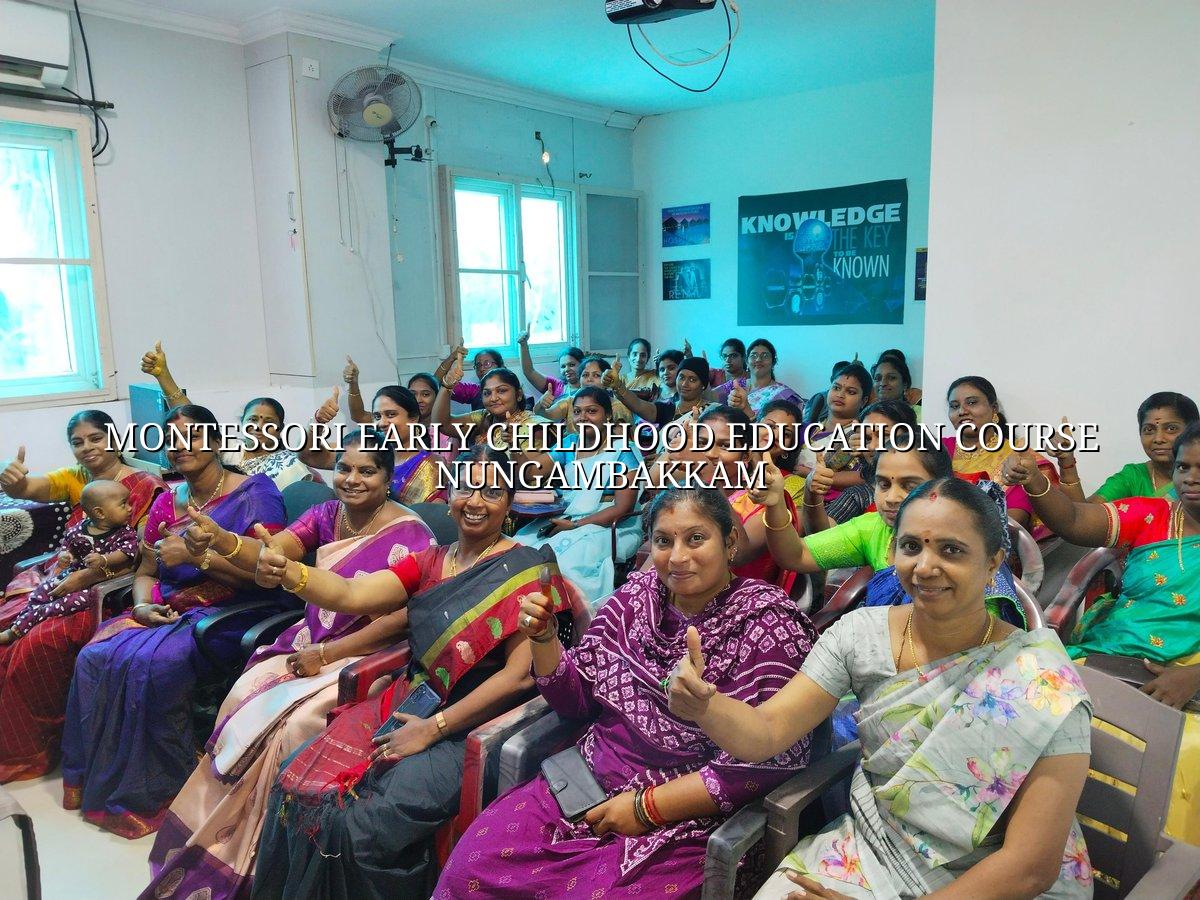
Montessori early childhood education course Nungambakkam enquiries usually come from people who want practical teacher training, not just theory. If you are planning to work with preschoolers in Chennai, this page shows what the course should cover, how long training usually runs, and how to choose a program that builds real classroom skill.
At Super Star Montessori, the focus stays on authentic Montessori pedagogy, hands-on material work, and professional confidence for early years classrooms. Whether you are comparing a diploma, NTT, or a flexible online option, this guide helps you understand the learning path, internship support, and career outcomes that matter most for aspiring teachers in and around Chennai.
A good early childhood course should prepare you to guide children through practical life, sensorial, language, mathematics, and cultural activities with confidence. That means more than reading about Montessori; you should work with materials, observe model lessons, practise presentation techniques, and understand how to manage a calm, child-centred classroom. For learners in Nungambakkam and nearby parts of Chennai, that balance of theory and practice is what turns interest into employable skill.
In a preschool setting, children respond to clear routines, careful demonstrations, and material-based learning. A strong Montessori teacher training program helps you learn how to introduce each activity step by step, how to prepare the environment, and how to notice when a child is ready for the next challenge. During observation and internship sessions, you also see how experienced teachers support independence without interrupting concentration.
Many candidates want a course that fits working schedules, supports career switching, and offers guidance beyond the classroom. That is why weekday, weekend, fully online, and hybrid batches matter for Chennai learners who may travel from Nungambakkam, T Nagar, Anna Nagar, or Adyar. A sensible training path should also include internship exposure, placement assistance, and clear mentoring for interviews and classroom readiness.
| Program Type | Best For | Learning Style |
|---|---|---|
| Diploma in Montessori Teacher Training | Beginners seeking full early years preparation | Deep theory with strong practical work |
| Nursery Teacher Training (NTT) | Those aiming for nursery classroom roles | Focused foundation for preschool teaching |
| Kindergarten Teacher Training (KTT) | Teachers who want K1/K2 classroom readiness | Child development, lesson planning, and activity work |
| Online Montessori Course | Chennai learners needing flexible study | Live classes, recorded modules, and material kit support |
The best training programs build a complete understanding of the child, the prepared environment, and the teacher’s role as guide. You should expect lessons on child psychology, classroom organisation, activity sequencing, communication with parents, and observation methods that help you track progress without forcing children into a rigid pace. In a quality institute, these topics are not taught as disconnected notes; they are tied to practical demonstrations and reflection.
For early childhood classrooms, the most useful learning is often the simplest: pouring exercises, sorting, matching, storytelling, rhymes, number work, and language development activities. A skilled trainer shows you how each material supports independence, concentration, order, and confidence. That kind of training is especially useful if you plan to work in a preschool where children learn through movement and repetition.
Many aspiring teachers understand the philosophy only after they observe a real classroom. That is why internship training is such an important part of Montessori preparation. In partner Montessori houses and preschool settings, you watch how a classroom is set up, how activities are introduced, and how the teacher keeps the atmosphere orderly while still encouraging independence.
This phase also helps you become more confident in communication. You learn how to speak to children at eye level, how to give concise instructions, and how to adapt to different age groups without losing the spirit of the method. For learners from Nungambakkam and other Chennai neighbourhoods, that practical exposure often becomes the bridge between study and a first teaching job.
One common mistake is choosing a course only because it sounds short or convenient. In early childhood education, a shorter course is useful only if it still includes observation, material work, and meaningful practice. Another mistake is assuming online study means less seriousness; a good online Montessori course can be effective when it includes live sessions, recorded support, and structured assignments.
It is also wise not to ignore after-training support. A program may teach the syllabus well, but job readiness depends on feedback, interview guidance, and exposure to classroom expectations. If you are searching from Nungambakkam, compare how each institute handles practical learning, mentorship, and contact support before you enrol.
Super Star Montessori offers Montessori, Nursery Teacher Training, Kindergarten Teacher Training, Online Montessori, and internship-focused learning so you can choose a path that suits your schedule and goals. Our Chennai campus supports learners with practical material work, classroom observation, and career mentoring rooted in authentic Montessori practice. If you are comparing options for a Montessori early childhood education course Nungambakkam, speak with our team to find the right batch and learning mode for you.
Call +91 90924 63091 or +91 86680 47390, email info@superstarmontessori.com, or chat on WhatsApp.
The best option depends on your goal and schedule. If you want broad preparation, a diploma is a strong choice; if you are aiming specifically for nursery or kindergarten teaching, NTT or KTT may fit better. A good institute will help you decide based on your classroom target and availability.
Training length varies by program. A diploma often runs for around 10 to 12 months, while nursery or kindergarten-focused programs are usually designed as shorter, practical pathways. The best approach is to ask how much of the timeline is theory, observation, and hands-on work.
Yes, many learners prefer online study because it is easier to fit around work or family commitments. A strong online Montessori course should include live classes, recorded lessons, and support for practical understanding through materials or assignments. Check that the online format still includes clear guidance and feedback.
It should. Internship and observation are important because they show you how the method works with real children in a real environment. You learn classroom rhythm, presentation style, and behaviour management much faster when you watch experienced teachers and practise under guidance.
Graduates commonly look for roles in preschools, kindergarten classrooms, and Montessori houses. Some learners also move into early childhood support roles, classroom assistance, or further study in child-focused education. Career outcomes depend on your skills, confidence, and the support you receive during training.
Look for clear teaching methods, practical work, internship support, and transparent communication about the curriculum. At Super Star Montessori, the institute is ISO 9001:2015 and ISO 29990:2010 certified, which reflects a structured approach to quality and learning services. You should still ask to see how the program is delivered day to day.