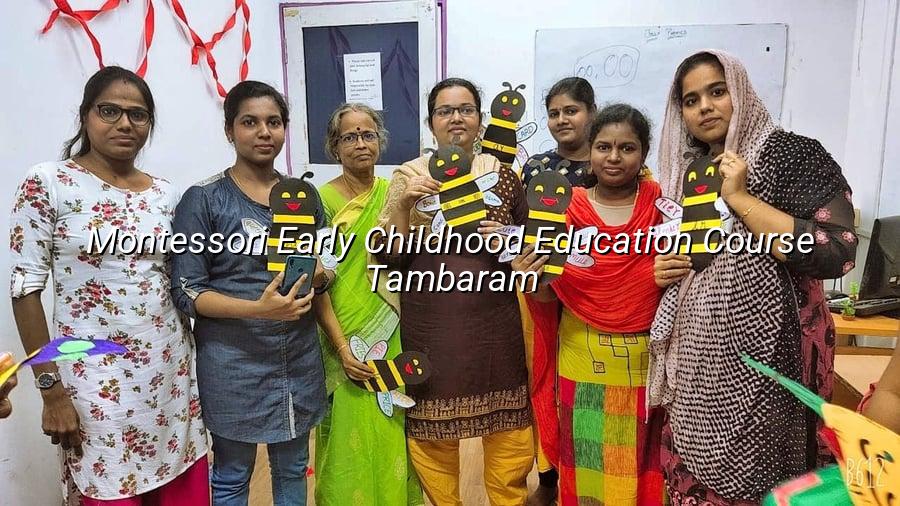
Montessori early childhood education course Tambaram seekers often want one clear answer: which training will prepare them to teach real classrooms with confidence. At Super Star Montessori, the focus is on practical classroom skills, authentic pedagogy, and a pathway that fits the rhythm of Chennai learners.
If you are comparing options near Tambaram, this page helps you understand what the course includes, how the training is delivered, and how it supports your career goals. You will also see how the diploma, NTT, KTT, and online learning options connect to the same Montessori foundation, so you can choose a route that suits your schedule and future plans.
This course is designed for people who want more than theory. The training builds understanding of the Montessori method while showing how to apply it in a classroom with children aged roughly 2.5 to 6 years. Learners study practical life, sensorial work, language, mathematics, and cultural activities, then connect each area to real teaching practice in Chennai classrooms.
For students from Tambaram and nearby places such as Chromepet, Pallavaram, Guduvanchery, and Velachery, the value of a well-structured Montessori course is that it supports both career entry and professional confidence. You learn how a prepared environment works, how materials are introduced, and how teachers guide children without over-directing them.
Montessori teaching is learned by doing. When trainees handle materials, observe lessons, and practise presentations, the ideas become usable instead of abstract. That is especially important for early childhood education, where the teacher’s calm tone, sequence of work, and classroom organisation influence the child’s independence every day.
Many learners search from Tambaram because they want a course that is practical, accessible, and recognised for classroom preparation. Some are fresh graduates exploring teaching, while others are parents or working professionals looking for weekday, weekend, online, or hybrid learning. A strong institute should make the next step clear: how to study, where to practise, and how to move toward teaching roles with support.
| Program | Best For | Learning Style |
|---|---|---|
| Diploma in Montessori Teacher Training | Students seeking a full Montessori foundation for classroom teaching | Structured study with practical material work and guided classroom preparation |
| Nursery Teacher Training (NTT) | Those aiming for nursery and preschool roles in early childhood settings | Focused early years training with child development and teaching methods |
| Kindergarten Teacher Training (KTT) | Learners preparing for KG classrooms and activity-based teaching | Classroom-focused learning with age-appropriate teaching practice |
| Online Montessori Course | Working professionals and home-based learners from Tambaram and nearby areas | Live classes, recorded modules, and material-kit based learning support |
A practical Montessori course should help you move from observing to teaching with purpose. In real training, that means you do not just hear about prepared environments; you learn how to organise them, how to present materials, and how to support the child’s independence. The best training also shows why sequencing matters, because children in early childhood classrooms respond well to clear routines and calm transitions.
In Chennai, especially for learners from Tambaram, this matters because many people are balancing study with daily travel, family routines, or work. A course that mixes theory with practice gives you a realistic path forward and makes the classroom feel less intimidating when you begin your internship or first teaching role.
You learn to observe before intervening, to present materials step by step, and to respect a child’s pace. These habits are central to Montessori pedagogy and they shape every lesson, from spooning and pouring in practical life to grammar games and number work in the elementary transition years. When trainees practise these routines repeatedly, they can enter a school setting with more confidence and less guesswork.
One mistake many beginners make is treating Montessori as only a set of classroom materials. Materials matter, but so does the method behind them: the teacher’s observation, the sequence of lessons, and the way the environment supports self-directed learning. A strong course helps you see the difference, which is why practical training is so valuable for new teachers and career changers alike.
After completing a Montessori early childhood education course, many learners look for roles in premium preschools, Montessori houses, and kindergarten settings across Chennai. Some later move into teaching opportunities in Bangalore, Dubai, Singapore, and other places where skilled early years educators are in demand. The important point is that the course gives you a foundation you can build on through practice, internship, and continuous learning.
Career support is most helpful when it does more than hand out advice. It should help you understand how to present yourself professionally, how to talk about your classroom practice, and how to match your strengths with the right role. For students from Tambaram, that kind of support can turn a course decision into a confident next step.
Internship learning lets you watch real classrooms, notice how teachers guide children, and understand daily routines such as circle time, activity selection, and classroom tidying. It also helps you connect theory to actual teaching challenges. When you see how children respond to materials and adult guidance, your training becomes more grounded and useful.
Freshers may use the training to begin a first teaching career, while graduates from other fields may use it as a new professional path. Parents often appreciate the flexibility of online or weekend learning, and working professionals may prefer a structure that allows steady progress without a full schedule change. Because the course is built around early childhood development, it remains relevant whether your goal is preschool teaching, classroom support, or broader Montessori work.
| Mode | Who It Suits | Typical Benefit |
|---|---|---|
| Weekday Batch | Learners who can follow a regular study rhythm | Steady progress with consistent class contact |
| Weekend Batch | Working professionals and busy parents | Flexible study without interrupting the week |
| Fully Online | Students who need distance-friendly access from Tambaram | Live learning with recorded support and material guidance |
| Hybrid Batch | Learners who want both online convenience and practical exposure | A balanced mix of flexibility and classroom practice |
Super Star Montessori offers Montessori, NTT, KTT, online learning, and internship-focused training designed for real classroom readiness. If you are comparing a Montessori early childhood education course Tambaram students can trust, our Chennai campus can guide you toward the learning mode and program that match your goals. You can also explore our courses or check the online program if you need flexibility.
Call +91 90924 63091 or +91 86680 47390, email info@superstarmontessori.com, or chat on WhatsApp.
The best course is the one that combines Montessori theory with practical classroom training and guidance that suits your schedule. If you are near Tambaram, look for a program that offers live support, hands-on material work, and clear pathways into preschool teaching. A counseling call can help you compare diploma, NTT, KTT, and online options.
Different programs vary, but diploma-style Montessori training often runs for a longer structured period, while some nursery or kindergarten pathways are more focused. The exact duration depends on the course format and whether you choose weekday, weekend, online, or hybrid learning. It is best to ask for the current program structure before enrolling.
Yes, online learning is a practical choice if you need flexibility from Tambaram or nearby Chennai neighbourhoods. A good online program should still include live guidance, recorded modules, and support for material understanding. If you want a blended approach, hybrid learning can give you both convenience and practical exposure.
You will learn the Montessori method, child development basics, classroom presentation techniques, observation, and how to work with practical life, sensorial, language, mathematics, and cultural materials. The course should also help you understand how to create a prepared environment for young children. That combination is what makes the training useful in real schools.
Yes, students can look for internship exposure and career guidance as part of the learning journey. Support like classroom observation, practical training, and placement assistance can help you move from study to work with more confidence. If you are serious about teaching, ask how the institute connects training with real school experience.
Yes, the course can suit freshers, graduates, parents returning to work, and professionals looking for a teaching pathway. Weekday, weekend, online, and hybrid batches make it easier to choose a format that matches your routine. The right fit depends on your study goals and how much practical exposure you want.