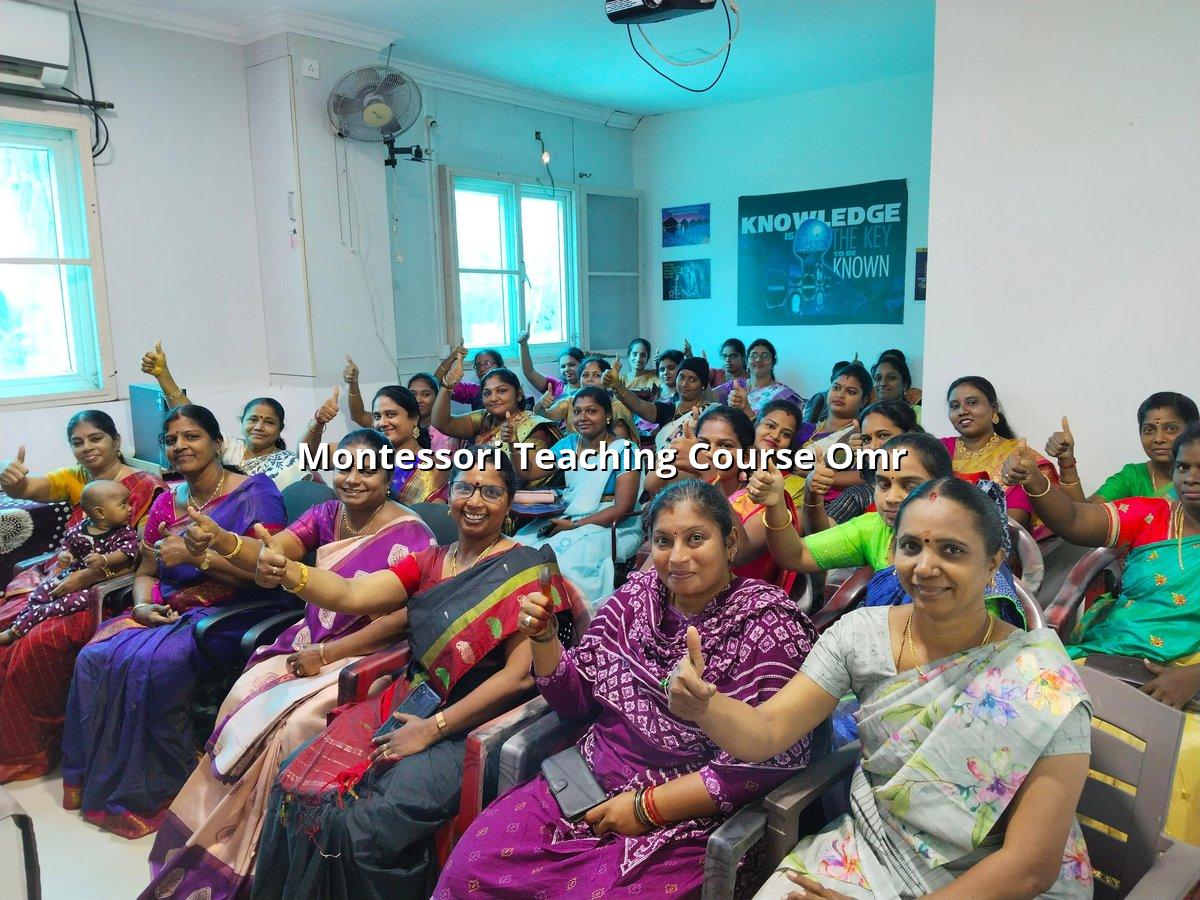
A Montessori teaching course OMR is a practical way to build classroom confidence if you want to work with young children along Chennai’s IT corridor. At Super Star Montessori, the focus is not only on theory, but on hands-on material work, real classroom habits, and the confidence to guide children with calm, respect, and structure.
This page is for aspiring teachers, career changers, and parents who want to understand what a Montessori course in OMR should include before joining. You will see how the training is structured, what skills matter most, how internship exposure helps, and why many learners from OMR, Velachery, Medavakkam, Pallavaram, and nearby areas choose a Montessori diploma or online batch to fit their routine.
A strong Montessori teaching course OMR should prepare you to teach the child, not just manage a classroom. That means learning how to present Montessori materials, observe children closely, support independence, and guide learning across practical life, sensorial, language, mathematics, and cultural areas. The best programs also give you enough supervised practice to turn knowledge into daily classroom skill.
In Chennai, especially along OMR where many families look for quality early childhood education, schools value teachers who can handle a mixed-age Montessori room with patience and clarity. Training becomes more useful when it includes material demonstration, lesson planning, child psychology basics, and exposure to real classroom routines through internship support.
Montessori training becomes meaningful when you can actually demonstrate the materials and understand the purpose behind each activity. A trainee should be able to show a child how to pour, sort, trace, match, count, build vocabulary, and repeat work independently. In a real classroom, this skill is what helps a teacher stay calm while children work at different paces. That is why practical sessions matter just as much as the written learning part of the course.
Many learners from OMR, Sholinganallur-side neighbourhoods, and nearby residential areas need a course that fits around family or office schedules. Weekday, weekend, and fully online modes can make training more realistic without reducing the quality of learning. For someone who wants a classroom career, a program with live guidance, recorded support, and material practice is often easier to complete with confidence than a purely lecture-based format.
| Format | Best For | Learning Focus |
|---|---|---|
| Diploma in Montessori Teacher Training | Career seekers wanting deeper classroom preparation | Authentic pedagogy, material work, observation, and guided practice |
| Weekend or weekday batch | Chennai learners who need a fixed routine | Structured classes with regular practice and mentor support |
| Fully online course | Students from OMR who prefer learning from home | Live classes, recorded modules, and material kit support |
| Internship training program | Trainees who want real classroom exposure | Observation, assistance, and confidence-building in partner schools |
Schools and preschools in Chennai usually look for teachers who can guide children with consistency, warmth, and practical understanding. A trained Montessori teacher should know how to organise the environment, introduce work in sequence, and observe when a child is ready for the next step. These skills are especially important in early years classrooms where small details can change how children settle, explore, and learn.
A good course also helps you avoid common mistakes such as explaining too much, interrupting a child’s concentration, or treating every activity like a worksheet lesson. Montessori training is different because it asks the teacher to step back, prepare the environment well, and trust the child’s natural rhythm. When this approach is taught properly, it becomes easier to handle real classroom situations with confidence.
Many trainees understand the philosophy quickly but need time to apply it to daily work. That is why a useful program links theory to real examples, such as how to greet a child, how to guide a pouring activity, how to present sandpaper letters, or how to support counting with concrete materials. These simple routines, repeated well, build the foundation of quality teaching.
OMR and the surrounding Chennai neighbourhoods have a growing number of young families who expect care, professionalism, and classroom quality. Local training helps learners stay connected to the city’s school culture and build practical awareness of what preschools need. For many students, that makes a Chennai-based institute more relevant than a generic online-only option, especially when they want personal mentoring and internship exposure.
Super Star Montessori offers Montessori, Nursery Teacher Training, Kindergarten Teacher Training, online learning, workshops, and internship support for Chennai learners who want practical preparation. If you are comparing a Montessori teaching course OMR option, our training is designed to help you learn the method properly and apply it with confidence in real classrooms. You can also explore our courses or the online program if you prefer a flexible study mode.
Call +91 90924 63091 or +91 86680 47390, email info@superstarmontessori.com, or chat on WhatsApp.
The best course for a beginner is one that combines authentic Montessori theory with daily practical work. Look for material demonstrations, classroom observation, and flexible batch options so you can learn steadily without rushing. If you are comparing choices in Chennai, ask whether the course supports both skill-building and career guidance.
Course duration depends on the program you choose. A diploma track is usually longer and more detailed, while shorter certificate-style programs may move faster. The important part is not speed alone, but whether the course gives enough time for practice, observation, and revision.
Yes, many learners prefer online training because it fits home and work schedules more easily. A strong online program should still include live guidance, recorded lessons, and material support so you do not miss the practical side of learning. If possible, check whether the institute also offers internship guidance or workshop options.
You can expect to learn Montessori philosophy, classroom preparation, material presentation, observation techniques, and ways to support children’s independence. Many courses also include practical life, sensorial, language, mathematics, and cultural activities. These skills are useful whether you plan to teach in a preschool, kindergarten, or Montessori environment.
No prior teaching experience is usually required for a beginner-friendly Montessori course. Many trainees join after school, college, work, or even after a career break. What matters most is interest, patience, and the willingness to practise the method properly.
A good training institute should provide internship exposure and placement assistance rather than vague promises. For Chennai learners, this support matters because it helps bridge the gap between training and the first classroom role. Always ask how the institute guides students after course completion and whether it works with partner preschools or Montessori houses.