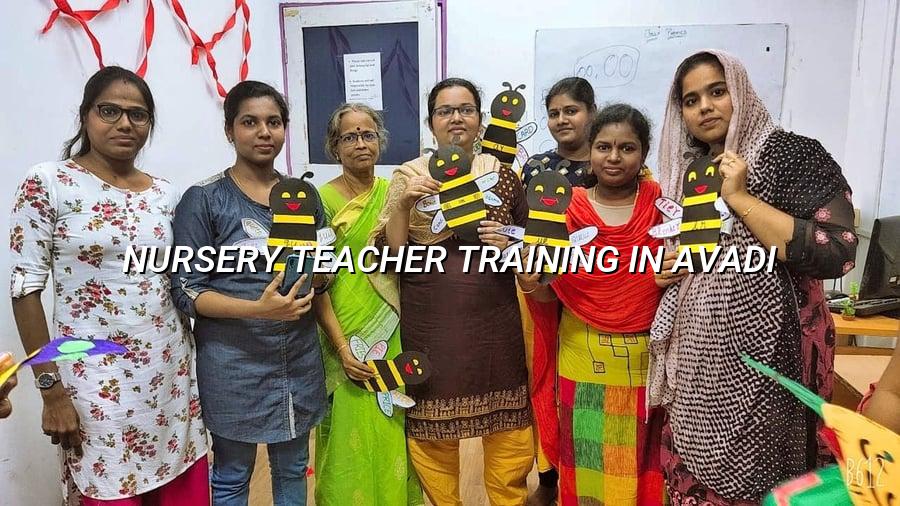
Nursery teacher training Avadi is a practical way to prepare for preschool classrooms, child-centred routines, and the daily pace of early years teaching. If you are comparing courses near Chennai’s western corridor, this page shows what to look for, how training is structured, and how to choose a programme that actually builds classroom confidence.
This guide is for aspiring teachers, homemakers returning to work, and school staff who want stronger foundational skills in early childhood education. You will also see how an NTT course differs from broader Montessori training, what the learning experience can include, and how Super Star Montessori supports learners from Avadi and nearby areas.
A solid nursery teacher training programme is more than classroom theory. It should help you understand child development, build lesson planning habits, and practise classroom language that is calm, clear, and age-appropriate. For learners in and around Avadi, the right course also needs to connect directly to real preschool settings in Chennai, where teachers handle mixed ability groups, daily routines, and parent communication with professionalism.
At Super Star Montessori, the emphasis is on practical readiness. That means learning how young children respond to songs, stories, visual aids, behaviour guidance, and structured play, while also understanding how to manage a nursery class with patience and consistency. If you are exploring our courses, you can compare NTT with Montessori-focused programmes and choose the path that fits your goals.
When a fresh teacher walks into a nursery classroom, the first challenge is not syllabus knowledge alone; it is handling the flow of the day. Children may arrive energetic, shy, or distracted, and the teacher needs tools for greetings, circle time, hygiene habits, story time, and transition management. A useful NTT course teaches those routines through demos, observation, and guided practice, so you are not trying to guess your way through the first week.
Many learners understand child psychology in class, but feel unsure when they have to speak to children, arrange materials, or conduct a simple rhyme session. That is where practical exposure makes the difference. Even a short internship or classroom observation can show you how a nursery setting works in reality, from seating plans and activity corners to how teachers respond when a child needs extra support.
| Programme Focus | Best For | Typical Learning Style |
|---|---|---|
| Nursery Teacher Training | Beginners aiming for preschool and nursery roles | Foundational theory, activity planning, class practice |
| Montessori Teacher Training | Teachers who want authentic Montessori pedagogy | Hands-on materials, practical life, sensorial and language work |
| Online Montessori Course | Learners needing flexible study from Chennai or nearby areas | Live classes, recorded modules, material kit support |
| Internship Training Program | Students who want real classroom observation | Partner preschool exposure, guided practice, feedback |
A well-structured NTT programme usually covers the core building blocks of early years teaching: child development, classroom communication, storytelling, songs and rhymes, basic lesson planning, and child-friendly behaviour guidance. At the same time, it should help you understand how to shape a day so that children stay engaged without feeling rushed. For students from Avadi, this is especially useful if you plan to work in Chennai schools where teachers need to handle both learning and care routines smoothly.
Children in nursery classes learn through movement, repetition, and familiar patterns. That is why activity planning matters so much. A teacher needs to know how to introduce colours, shapes, pre-number ideas, and early language in a way that feels playful but organised. The best training programmes show you how to build those activities with simple materials, clear instructions, and realistic timing for young learners.
One mistake many beginners make is assuming that nursery teaching is only about entertainment. In reality, it involves observation, consistency, and thoughtful guidance. A child may need help with attention, sharing, or routine-following, and the teacher must respond with warmth rather than noise. Training that includes practice sessions and feedback helps you move beyond guesswork and develop a professional teaching style.
Avadi students often want training that is accessible, flexible, and linked to real preschool expectations in Chennai. That is why a Chennai-based institute can be a practical choice, especially if you are balancing study with family responsibilities or looking for a course that offers both online and classroom support. The key is not only the location, but the training quality, the teaching method, and the confidence you gain by the end of the programme.
At Super Star Montessori, learners from Avadi and nearby neighbourhoods can explore weekday, weekend, fully online, and hybrid batches depending on their schedule. If you prefer self-paced learning alongside live support, the online program may suit you. If you want more guided experience, the internship training program gives you the chance to observe real classroom practice through partner Montessori houses.
Not every learner can travel daily, and not every learner studies at the same pace. Flexible training matters because it keeps education realistic. Some students want a steady weekend schedule, while others need a fully online route with recorded modules to revise after class. When a course respects those differences, it becomes easier to complete training with focus and consistency.
Preschools in Chennai often expect teachers to be warm, organised, and ready to handle a lively room of young children. That means being able to begin the day smoothly, guide activity time with clarity, and keep the classroom tidy and calm. Training that reflects these expectations is far more useful than a course that only explains concepts without showing how they work in practice.
Super Star Montessori supports learners who want nursery teacher training with real value, not just theory. Through our NTT, Montessori, online, workshop, and internship options, you can build classroom readiness in a way that suits your schedule and your goals. If you want to compare the best route for your career, start with our courses and ask about the learning mode that fits you best.
Call +91 90924 63091 or +91 86680 47390, email info@superstarmontessori.com, or chat on WhatsApp.
Yes, nursery teacher training is often the right starting point for beginners because it introduces the basics of preschool teaching in a structured way. You learn child development, activity planning, classroom routines, and the communication style needed for young learners. That makes it easier to move into a nursery or preschool role with more confidence.
NTT usually focuses on nursery and preschool teaching methods, while Montessori training is rooted in the Montessori philosophy and hands-on material work. Both are useful, but they suit different classroom settings and teaching goals. If you want to compare them clearly, looking at the course structure and practical components is the best place to start.
Yes, online learning can work well if you need flexibility for travel, work, or family responsibilities. A strong online programme should still include live interaction, recorded access, and clear guidance on practical tasks. That combination helps you study from Avadi without losing the structure that early years training needs.
No, many learners join NTT with no prior teaching experience. The course is designed to introduce you to preschool teaching from the ground up, so you can learn at a beginner-friendly pace. What matters most is your interest in working with children and your willingness to practise the methods you learn.
It can, especially if the programme includes observation, workshops, or internship support. Practical experience is valuable because it shows you how routines, activities, and child interactions work in real preschool settings. That kind of exposure helps you transfer classroom theory into daily teaching more smoothly.
Choose a course that gives equal attention to theory, practical training, and career support. Check whether the institute offers flexible batches, internship opportunities, and guidance for interviews or teaching roles. A course that fits your schedule and your learning style will usually be the most sustainable option.