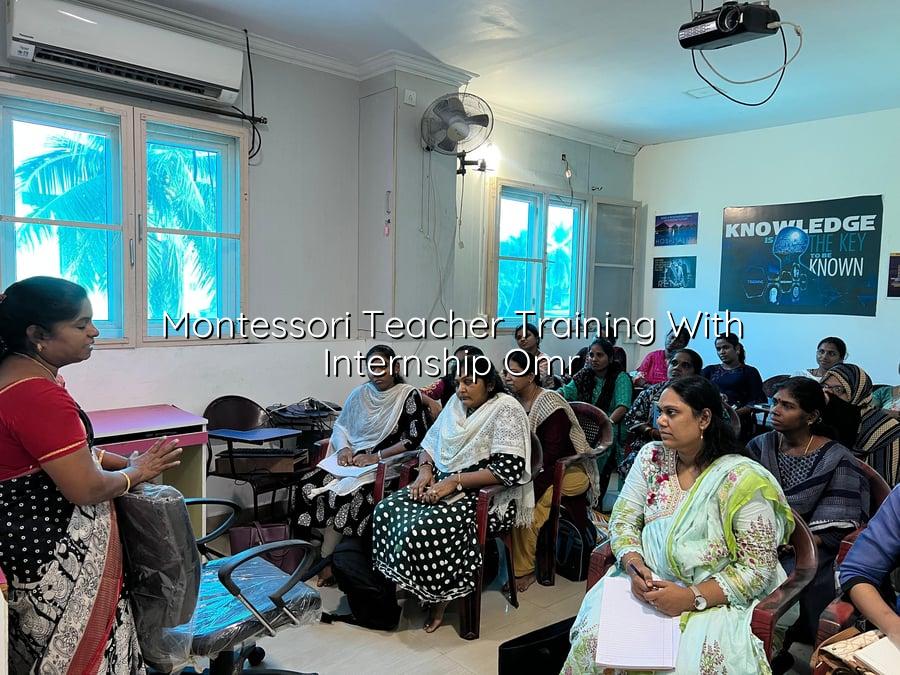
Montessori teacher training with internship OMR is the right fit when you want classroom practice along with theory, not just notes and certificates. If you live along Chennai’s OMR corridor, this path helps you build real confidence with Montessori materials, child observation and daily classroom routines before you step into a preschool role.
Prospective learners from OMR, Medavakkam, Pallavaram and nearby neighbourhoods often want a course that feels practical, steady and career-focused. Here you will find what the internship adds, how the training works, what to expect from the curriculum and how Super Star Montessori supports your journey through internship training, course options and guided placement support.
This search usually comes from people who want more than a classroom lecture. They want to understand how children work with practical life materials, sensorial exercises, language support and early mathematics in a real setting. Internship-based learning bridges that gap by placing you near actual preschool routines, so your lesson planning, observation and classroom handling become far more grounded.
At Super Star Montessori, the internship element matters because Montessori work is hands-on by design. You do not simply hear about presentation steps; you see them, practice them and reflect on them under guidance. That is especially valuable for OMR learners who may be balancing study, family responsibilities or a career switch and need a course structure that feels purposeful from the first week.
A good internship gives you time to watch an experienced teacher prepare the environment, guide a child without interrupting concentration, and maintain order through calm routines. In a Montessori classroom, those habits matter as much as the lesson itself. By the time you complete observations and assisted practice, you begin to understand how children move from independent work to guided learning in a respectful, child-centred way.
Many learners from the OMR belt want a course that can connect them to Chennai’s preschool ecosystem without forcing them to guess at the next step. They often prefer a training path that includes supervised practice, a clear curriculum and support after completion. That is where a structured internship becomes useful: it helps you speak confidently in interviews, understand classroom expectations and move from theory to action with less hesitation.
| Learning Path | Best For | Internship / Practice Focus |
|---|---|---|
| Diploma in Montessori Teacher Training | Learners seeking a strong foundation for preschool teaching | Structured observation, guided practice and classroom readiness over the course timeline |
| Nursery Teacher Training | Those aiming for nursery and early years support roles | Practical exposure to routines, child handling and activity-based learning |
| Kindergarten Teacher Training | Candidates who want early childhood classroom skills | Assisted teaching, activity planning and lesson delivery practice |
| Online Montessori Course | Busy learners who need flexibility | Live classes, recorded modules and material guidance with support for practical work |
A useful internship is not about being rushed through a classroom for a day or two. It gives you enough time to notice how teachers prepare materials, how children choose work independently and how the environment stays orderly without becoming rigid. Those are the details that make Montessori practice different from a purely worksheet-based approach.
In Chennai, especially for learners in OMR and neighbouring areas, practical exposure can also help you compare different preschool settings and understand what type of classroom culture you are most comfortable working in. Some trainees prefer small, calm environments; others enjoy lively classrooms with mixed-age activity. Internship experience helps you identify your strengths before you begin job applications.
One mistake is treating the internship like passive observation only. Montessori training becomes much stronger when you take notes, ask questions, practise presentations and reflect on what the child is doing. Another mistake is focusing only on certification and ignoring communication skills, patience and the ability to guide without over-directing. The best trainees learn to watch carefully, speak sparingly and support the child’s independence.
You are usually becoming ready when you can explain the purpose of a material, demonstrate its use clearly and keep the child’s concentration intact. Readiness also shows up in smaller ways: arranging the shelf correctly, maintaining clean transitions and understanding when to step back. Those habits are what employers notice when they evaluate a Montessori teacher candidate.
The right batch depends on your routine, travel comfort and learning preference. Some learners want weekday sessions with steady momentum, while others need weekend timing to balance work or home responsibilities. Hybrid and fully online options can also help those who want theory at home and structured practical support through the training process.
For many OMR residents, convenience matters, but convenience should not replace quality. Look for a course that still emphasises child development, observation and hands-on material use. If the internship is well planned, your learning remains active even when part of the theory is delivered in a flexible format.
Super Star Montessori combines authentic Montessori pedagogy with practical internship exposure so you can move from observation to confident classroom participation. Our courses include Montessori, NTT and KTT options, while our internship training program and online program help Chennai learners choose a path that suits their schedule and goals. If you are exploring Montessori teacher training with internship OMR, our team can guide you toward the batch and support structure that fits your next step.
Call +91 90924 63091 or +91 86680 47390, email info@superstarmontessori.com, or chat on WhatsApp.
Yes, it is suitable for beginners who want a practical start in early childhood education. The internship helps you see real classroom routines, so even if you are new to Montessori methods, you can learn by observing and practising step by step. It is a strong choice for learners who want confidence before their first teaching role.
You typically learn classroom observation, material presentation, child interaction, lesson flow and basic environment management. A well-structured internship also helps you understand how a teacher guides independence without taking over the child’s work. Those skills are valuable in real preschool settings across Chennai.
Yes, flexible batch options are often helpful for OMR learners who balance travel, family or work commitments. Weekday, weekend, online and hybrid learning formats make it easier to continue training without breaking your routine. The key is to choose a batch that still gives enough room for practical learning and mentorship.
It can help because you have real exposure to classroom situations and can speak more clearly about your skills. Interviewers often look for awareness of child development, confidence in material handling and a calm approach to classroom management. Internship experience gives you examples to discuss instead of only theory.
Montessori training focuses more on prepared environments, child-led learning, material work and observation. Nursery teacher training may include broader early years classroom support and activity planning. Many learners compare both options before choosing the one that matches their teaching style and career plans.
Ask whether the training includes observation, assisted practice, mentor feedback and exposure to partner preschool environments. You should also clarify how the practical part fits into the course timeline and what kind of guidance you receive after training. A transparent institute will explain this clearly before you enrol.