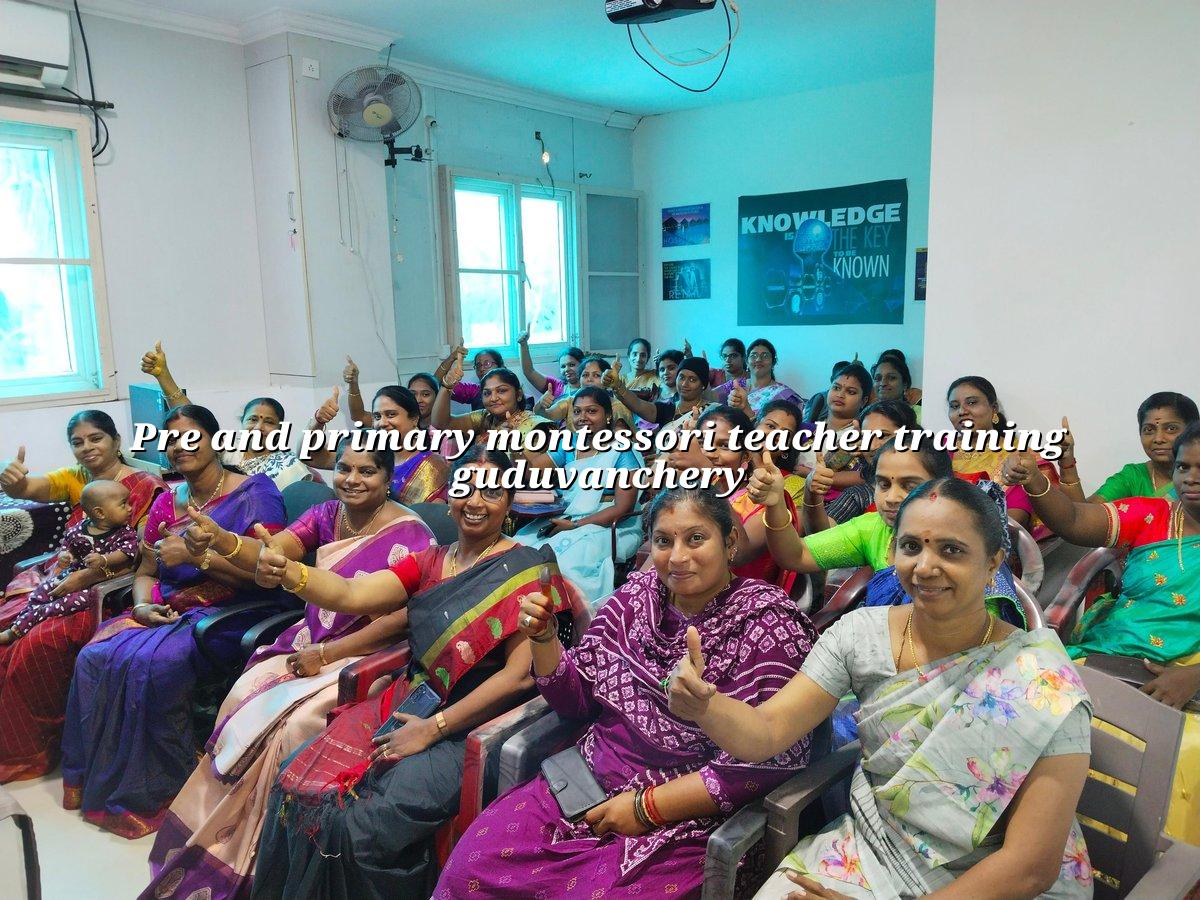
Pre and primary Montessori teacher training Guduvanchery seekers often want a course that builds real classroom confidence, not just theory. This page explains what to study, how the training works, and how Super Star Montessori supports aspiring teachers from Chennai and the Guduvanchery side of the city. You will see which skills matter most for pre-primary classrooms and how to choose a program that fits your routine.
If you are planning a career in preschool or early years education, the right training should help you handle children from playgroup to primary transition with calm, structure, and practical methods. Here you will find course guidance, a simple admission flow, a comparison of useful learning options, and answers to common questions about Montessori and teacher training programs and internship support in Chennai.
When parents and schools ask for pre-primary support, they are really asking for a teacher who can guide routines, language growth, early numeracy, and independence in a child-friendly way. A strong training program should cover Montessori philosophy, classroom observation, lesson presentation, and the practical work of setting up materials for young learners. It should also help you understand how a child moves from sensorial exploration into reading readiness and early writing. For students in Guduvanchery, this matters because school expectations can vary widely, and a clear foundation makes your first teaching role much easier.
Pre-primary classrooms are active spaces, so the teacher must know how to prepare the environment before the children arrive. That means arranging practical life work, language cards, number materials, and clean movement areas so the class stays purposeful. In a Montessori setting, even small actions such as pouring, sorting, and matching are teaching tools. Good training shows you how to observe a child quietly, step in at the right moment, and keep the lesson short, clear, and engaging.
Primary-age children need more structure than toddlers, but they still learn best through hands-on understanding. A common mistake is teaching early academics as memorisation only, which can make children lose interest quickly. Training for this stage should show how to connect phonics, vocabulary, counting, and simple cultural work with real materials and classroom routines. That balance is especially useful for teachers who want to work in Chennai neighbourhoods such as Tambaram, Medavakkam, and Guduvanchery, where parents often look for both warmth and visible learning progress.
| Program | Best For | Key Focus |
|---|---|---|
| Diploma in Montessori Teacher Training | Students seeking a complete early years foundation | Montessori philosophy, materials, classroom practice and teaching confidence |
| Nursery Teacher Training | Those aiming for nursery and pre-primary roles | Rhymes, storytelling, classroom handling and early learning activities |
| Kindergarten Teacher Training | Teachers focused on LKG and UKG roles | Alphabet readiness, numbers, activity planning and child engagement |
| Online Montessori Course | Learners balancing study with work or family duties | Live classes, recorded modules and guided material understanding |
Many learners start by reading about Montessori theory, but the real difference appears when they handle materials, plan a lesson, and stand in front of a class. That is why practical training matters so much for pre-primary roles. You need to know how to present a spindle box, guide a sorting activity, or introduce a phonics sound without overtalking. In a Chennai-based institute, that practice can be connected to local classroom expectations, so the training feels relevant instead of abstract.
For learners from Guduvanchery, the advantage of practical training is simple: it helps you move from interest to readiness. You begin to notice how children respond differently to touch, sound, movement, and repetition. You also learn that a neat classroom, consistent routine, and patient tone can change the whole learning atmosphere. These small habits are what schools value when they hire a new teacher.
If you are comparing institutes, ask how often students work with real Montessori materials, whether observations are part of the course, and whether the curriculum includes child development as well as teaching methods. You can also review practical workshops if you want more material-based learning before or after your main program.
A Chennai campus gives you access to an active early education environment, and that matters when you want guidance that is practical, not distant. Many learners prefer support that includes observation, internship exposure, and feedback on how to improve lesson delivery. Super Star Montessori is built around that kind of learning, with structured batches and mentor support for students who need a clear path into teaching.
The same foundation also helps if you later want to move into broader roles such as kindergarten teaching, special educator support, or early childhood learning design. A course that covers authentic Montessori principles, classroom management, and communication skills can prepare you for more than one type of school setting. That is useful if you plan to work in areas such as Anna Nagar, Velachery, Porur, or Guduvanchery, where preschool expectations may differ from one institution to another.
Super Star Montessori offers teacher training pathways that suit pre-primary, nursery, and kindergarten goals, along with online learning and internship support for practical confidence. If you are exploring pre and primary Montessori teacher training Guduvanchery options, our team can help you compare the course choices and select the right batch format for your schedule. You can also review the online program if you prefer flexible study with guided support.
Call +91 90924 63091 or +91 86680 47390, email info@superstarmontessori.com, or chat on WhatsApp.
The best course depends on whether you want a broad Montessori foundation or a focused pre-primary teaching path. Many learners begin with a diploma or nursery teacher training program because it covers classroom handling, child development, and practical lesson work. If you need flexibility, an online format with guided support can also work well.
Course length depends on the program you choose and the batch format. A diploma generally runs longer because it includes deeper practice, while nursery and kindergarten programs may be more focused. The right choice should match your schedule, your current experience, and the kind of classroom role you want.
No prior teaching experience is usually required for beginner-friendly training. Good programs start with the basics of Montessori philosophy, classroom environment, and how young children learn. That makes the course suitable for freshers, career changers, and mothers returning to work.
Yes, online learning can be effective when it includes live teaching, recorded modules, and clear practical guidance. It works especially well for students who cannot travel daily from Guduvanchery or nearby areas. You should still check whether the course includes enough material demonstration and mentor support.
Training can build confidence if it includes lesson practice, observation, and feedback. Nursery and kindergarten roles need a teacher who can manage children, use language carefully, and keep activities engaging. A practical course helps you prepare for interviews and day-to-day classroom routines more effectively.
Many students look for internship support because it makes the classroom transition smoother. Internships let you observe real teaching, understand lesson flow, and see how children respond in a live school setting. At Super Star Montessori, internship-focused learning is part of the practical pathway for students who want that exposure.