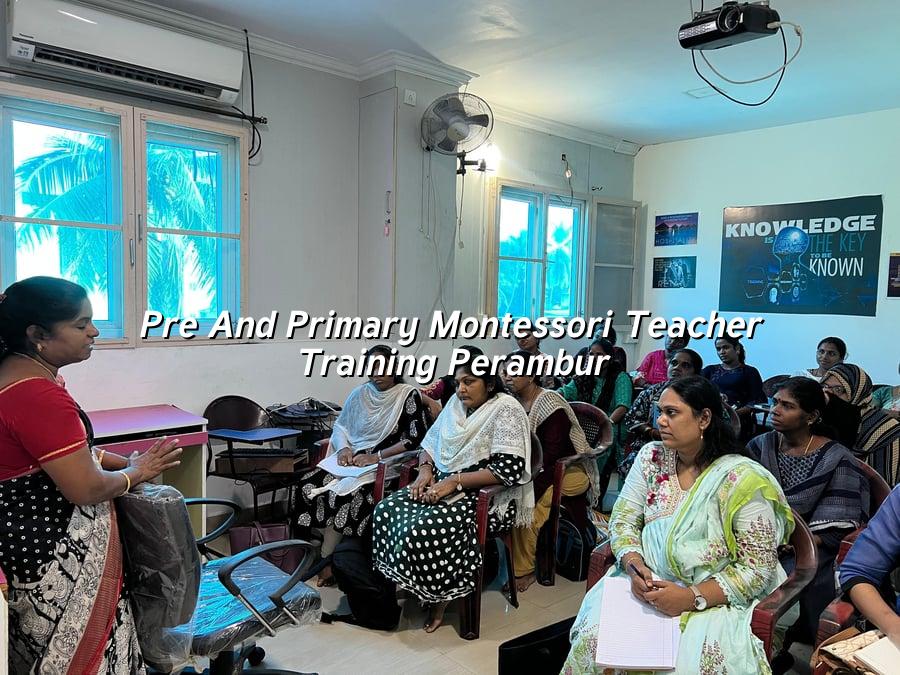
Pre and primary Montessori teacher training Perambur searches usually come from people who want a real teaching path, not just a certificate. This page shows how the course works, what practical skills matter, and how to choose a Chennai program that matches classroom reality.
Whether you are a fresh graduate, a parent returning to work, or a teacher planning a shift into early childhood education, the right Montessori foundation makes a visible difference. Here you will see how Montessori learning, NTT and KTT pathways, internship exposure, and Chennai-based support fit together for aspiring teachers from Perambur and nearby areas.
For many Perambur learners, the goal is to move from interest to employable skill. Pre and primary Montessori teacher training is not only about learning theory; it also means understanding how young children respond to materials, routines, language, and independence-building activities. A strong program covers practical life, sensorial work, language exposure, early mathematics, and classroom observation so that you can handle a real preschool setting with confidence.
At Super Star Montessori, that foundation is shaped around Chennai classroom expectations. Learners who commute from Perambur often want weekday, weekend, or hybrid flexibility, while others prefer a fully online start before moving into hands-on practice. The best training path keeps those realities in mind without losing the Montessori spirit of respect, patience, and careful material work.
In a genuine Montessori classroom, children do not simply sit and repeat lessons. A teacher guides them through purposeful activities such as pouring, sorting, counting beads, letter sounds, and language development with a prepared environment. If you are comparing pre and primary Montessori teacher training Perambur options, check whether the course gives you time to observe a classroom, practice material handling, and understand how to adapt lessons for different age groups.
Many new learners understand theory quickly but feel unsure when they stand in front of children for the first time. That is where internships, demo teaching, and workshop-based learning become valuable. A practical training model helps you learn classroom voice, transitions, child engagement, and correction techniques in a way that a textbook alone cannot.
| Program | Best For | Typical Learning Focus |
|---|---|---|
| Diploma in Montessori Teacher Training | Learners who want a full Montessori foundation | Practical life, sensorial, language, math, cultural work, classroom practice |
| Nursery Teacher Training | Those aiming for nursery and pre-primary classrooms | Child development, storytelling, activity planning, basic teaching methods |
| Kindergarten Teacher Training | Teachers preparing for LKG and UKG roles | Early literacy, numeracy readiness, classroom engagement, lesson delivery |
| Online Montessori Course | Perambur learners needing flexible study | Live classes, recorded modules, guided practice, material kit support |
The right choice depends on where you want to work and how much depth you need. A full diploma is a strong option when you want wide Montessori grounding and a long-term career path. NTT and KTT suit learners who want a focused entry into nursery or kindergarten teaching, while the online course helps people who need flexibility but still want live mentoring and recorded revision.
For many students in Perambur, the decision is practical. They may be balancing family commitments, travel time, or a current job, so a mixed learning model can be the difference between postponing the plan and finally starting it. That is why a Chennai institute with both classroom and online support often works better than a one-size-fits-all option.
It is easy to assume that any course with “Montessori” in the title will prepare you equally well. In reality, the delivery matters: do you get live teaching, material practice, internship exposure, and feedback on how you speak to children? Strong teacher training turns knowledge into classroom readiness, which is what employers actually notice.
Ask whether the institute explains child-centred teaching clearly, shows real classroom examples, and supports learners after course completion. Also ask how the batches are organised for Chennai students who need weekday or weekend timing. Clear answers usually indicate a course that is built for real teaching outcomes, not just enrolment numbers.
A solid pre-primary training journey is built in stages. Learners start with philosophy and child development, then move into Montessori materials, lesson presentation, observation, and practice. Many programs also include assessment, revision, and support for interview preparation so that the transition from student to teacher feels manageable.
At Super Star Montessori, the aim is not to rush learners through concepts. Instead, the focus is on helping you understand why a child chooses an activity, how the teacher guides without over-directing, and how a prepared environment supports independent learning. That approach matters whether you want to teach in a Chennai preschool, a Montessori house, or eventually move into broader early childhood roles.
If you are searching for pre and primary Montessori teacher training Perambur, we can guide you toward the right mix of Montessori, NTT, KTT, online study, and internship-based learning. Our Chennai campus supports learners with practical teaching methods, material work, and career mentoring rooted in authentic Montessori practice. Explore our courses or consider the online program if you need a flexible starting point.
Call +91 90924 63091 or +91 86680 47390, email info@superstarmontessori.com, or chat on WhatsApp.
Most students want a course that prepares them for preschool and early primary teaching with practical skills, not only theory. They usually look for Montessori materials, child development, classroom practice, and support that fits Chennai life. A good program should also explain how to apply the method in real classrooms.
Yes, because many preschools and kindergarten settings value teachers who understand child-centred learning and classroom order. Montessori training also improves your confidence with activities, presentation, and observation. That makes it useful for nursery, kindergarten, and early childhood teaching roles.
The timeline depends on the program you choose. A diploma path is usually more detailed, while NTT and KTT are often more focused and shorter in scope. The right choice depends on your career goal, available time, and how much practical teaching exposure you want.
Yes, an online option can suit learners who need flexible timing or cannot commute daily. A strong online course should still include live classes, recorded modules, and guidance on hands-on material work. That way, you can continue learning while managing home or work responsibilities.
Yes, internship exposure is an important part of practical teacher preparation. It helps you see real classroom routines, child behaviour, and lesson flow in action. This kind of exposure can make your transition into teaching much smoother and more realistic.
Ask about practical sessions, batch timing, internship support, and whether the course includes classroom observation. You should also ask how the institute supports career planning after completion. Clear answers usually show that the program is designed for real teaching readiness.